

Secouriste en milieu sauvage (WFR) : Formation, certification et guide de cours
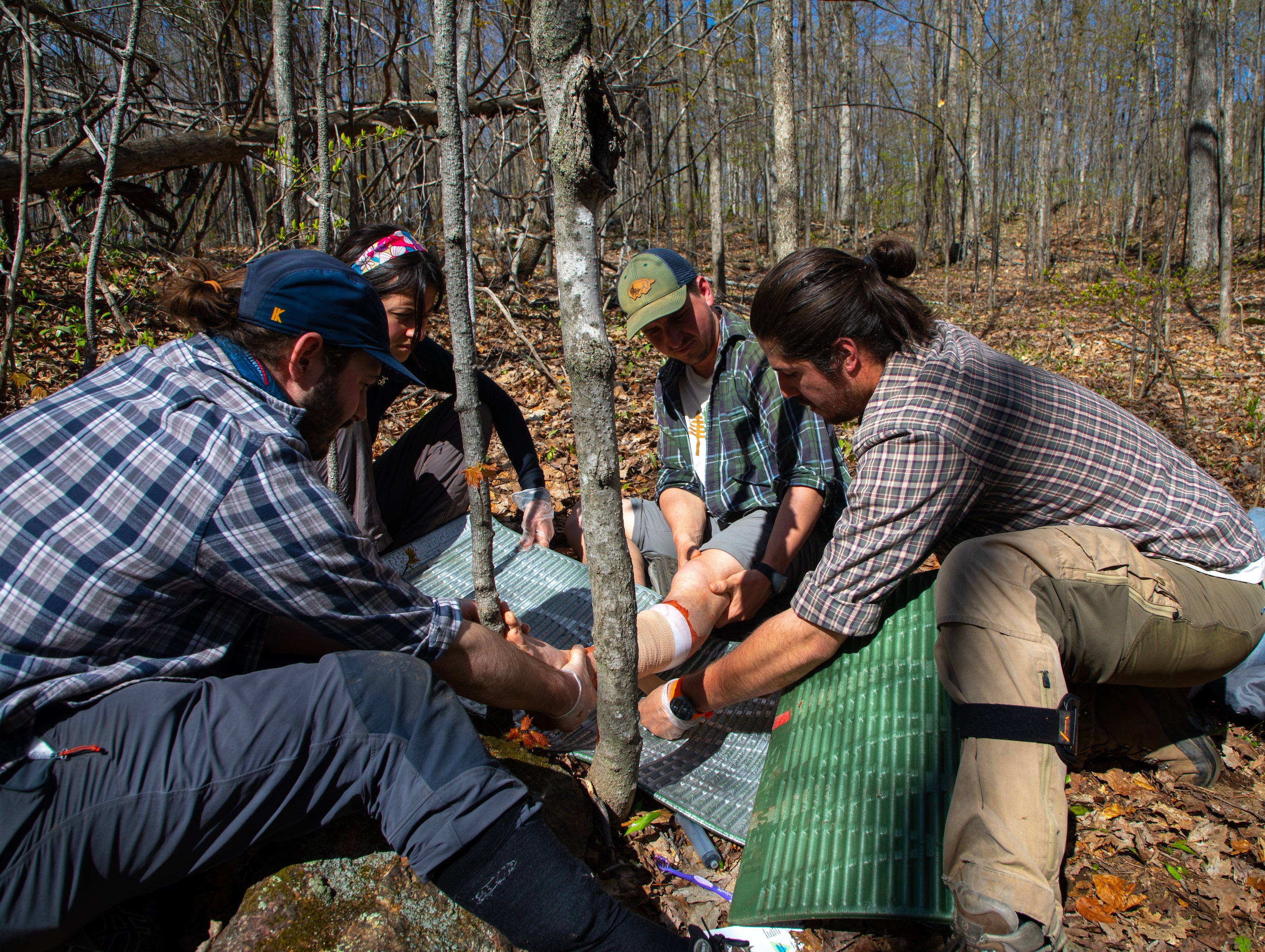
Un secouriste en milieu sauvage (WFR) est une personne formée pour gérer les urgences médicales dans des endroits reculés où l'aide peut être à des heures, voire des jours. Cette formation est souvent suivie par les guides professionnels, les éducateurs de plein air, les équipes de recherche et de sauvetage, et les personnes qui travaillent et voyagent dans des régions éloignées.
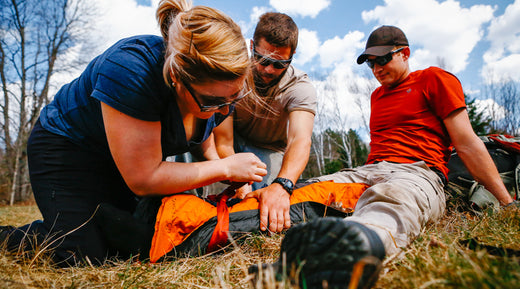
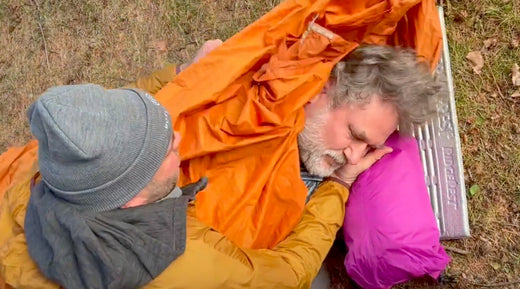
Un WFR sait évaluer les blessures et traiter les plus courantes comme les plaies et les blessures musculo-squelettiques, et gérer les problèmes environnementaux comme l'hypothermie, les coups de chaleur et la foudre. Ils sont également formés à la prise de décision critique, au leadership et aux évacuations.
Un secouriste en milieu sauvage peut effectuer des traitements avancés et administrer des médicaments qui ne sont pas standard pour les premiers intervenants urbains et les techniciens ambulanciers (EMT).
Options de cours WFR à Boreal River
Secourisme en régions éloignées (WFR)
80 heures réparties sur 5 ou 8 jours
Pour les guides professionnels, les éducateurs en plein air, les équipes de recherche et de sauvetage, toute personne voyageant dans des zones reculées ; du niveau débutant au niveau avancé.
Ce cours vous préparera à évaluer et à gérer les problèmes médicaux dans des environnements isolés et reculés.
Premier intervenant en milieu sauvage au Costa Rica
7 jours tout compris ; 5 jours de formation
Suivez votre cours (WFR) au Costa Rica et développez vos compétences médicales grâce à une formation pratique.
Pour toute personne physiquement active qui voyage dans des endroits éloignés, les éducateurs de plein air, les guides, les équipes de recherche et de sauvetage ; du débutant à l'expert.
Premier intervenant en milieu sauvage – Pont (WFR-Bridge)
40 heures sur 4-5 jours
Ce cours est conçu pour les diplômés de nos cours de secourisme avancé en milieu sauvage (WAFA) qui souhaitent poursuivre leur formation jusqu'au niveau de premier répondant en milieu sauvage (WFR).
Premier intervenant en milieu sauvage – Recertification (WFR-Recert)
3, 4 ou 5 jours
Pour les secouristes en milieu sauvage (Wilderness First Responders) certifiés de niveau intermédiaire à avancé qui souhaitent renouveler leur formation et obtenir une nouvelle certification pour trois ans. Vous aurez amplement l'occasion de mettre en pratique vos compétences, d'élargir vos connaissances et de développer votre esprit critique.
Comparez nos cours de premiers intervenants en milieu sauvage
| Cours | Premier intervenant en régions isolées | Pont WFR | Soins avancés en milieu sauvage | Secourisme avancé en régions isolées | Premiers secours en milieu sauvage (WFA) |
|---|---|---|---|---|---|
| Durée | 80 heures sure 5 ou 8 jours | 40 heures sur 4 à 5 jours | 5 jours | 40 heures sur4 à 5 jours | 20 heures sur 2 à 3 jours |
| Idéal pour | Guides professionnels, éducateurs en plein air, recherche et sauvetage, toute personne voyageant dans des zones reculées | Diplômés WAFA | Praticiens médicaux | Voyageurs de l'arrière-pays, chercheurs et personnel de terrain, assistants chefs | Voyageurs de l'avant-pays ou assistants chefs de l'arrière-pays |
| Niveau | Du débutant au confirmé | Intermédiaires à avancés | De niveau avancé | Débutant à intermédiaire | Débutant |
| Préalable | Aucune expérience requise, 18 ans et plus pour le WFR hybride, 16 ans et plus pour le WFR de 8 jours | Certification WAFA en cours | Professionnel de la santé avec formation avancée en réanimation cardiopulmonaire | Aucune | Aucune |
| RCR | RCR-SVB (Soutien des fonctions vitales de base) * anciennement appelé RCR Professionnel de la santé | RCR-SVB (Soutien des fonctions vitales de base) * anciennement appelé RCR Professionnel de la santé | s/o | RCR C (adulte, enfant, nourrisson) | RCR A (adulte) Le RCR C (adulte, enfant, nourrisson) peut être ajouté gratuitement pour tout étudiant sur demande |
| Certification | WMA WFR | WMA WFR | WMA WALS | WMA WAFA | WFA RCR A |
Premier intervenant en régions isolées
Pont WFR
Soins avancés en milieu sauvage
Secourisme avancé en régions isolées
Premiers secours en milieu sauvage (WFA)
Pourquoi s'entraîner avec Boreal River Rescue ?
Nous pouvons penser à quelques raisons pour lesquelles vous devriez suivre votre formation de secouriste en milieu sauvage avec Boreal River Rescue.
Notre partenariat avec Wilderness Medical Associates. Ils ont établi la norme depuis 1982, ont enseigné sur les 7 continents, et la certification WMA est reconnue mondialement. Grâce à leur programme, nos cours se distinguent de trois manières principales.
- Nous avons un système structuré d'évaluation des patients. Celui-ci guide le processus depuis l'arrivée auprès du patient jusqu'à un plan de traitement complet. Les instructeurs enseignent les principes généraux du fonctionnement du corps (pas de mémorisation de listes de symptômes et de traitements), afin que vous compreniez ce qui se passe en cas de blessure ou de maladie.
- Notre modèle de développement des instructeurs est tout aussi rigoureux. Les instructeurs sont sélectionnés pour leur expérience en soins aux patients, en plein air et en enseignement. Ils sont apprentis sur de nombreux cours avant de diriger les leurs. Il en résulte un environnement d'apprentissage flexible et inclusif qui s'adapte aux étudiants où qu'ils se trouvent.
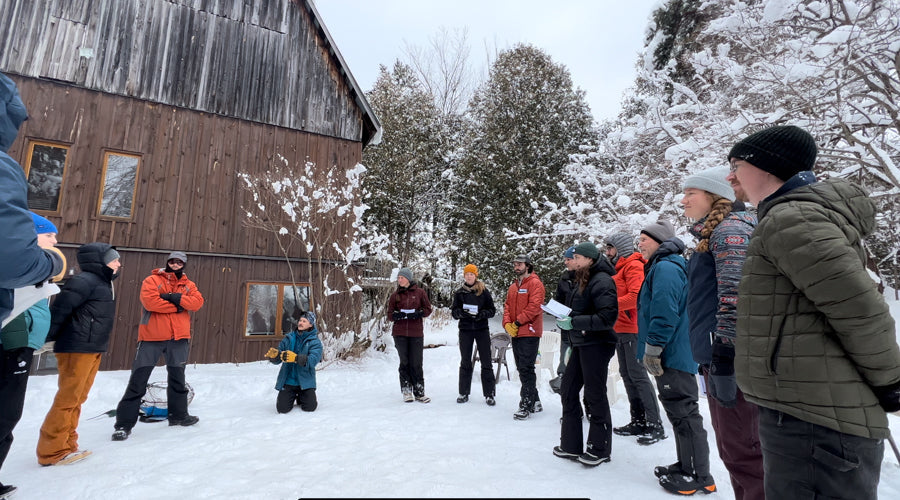
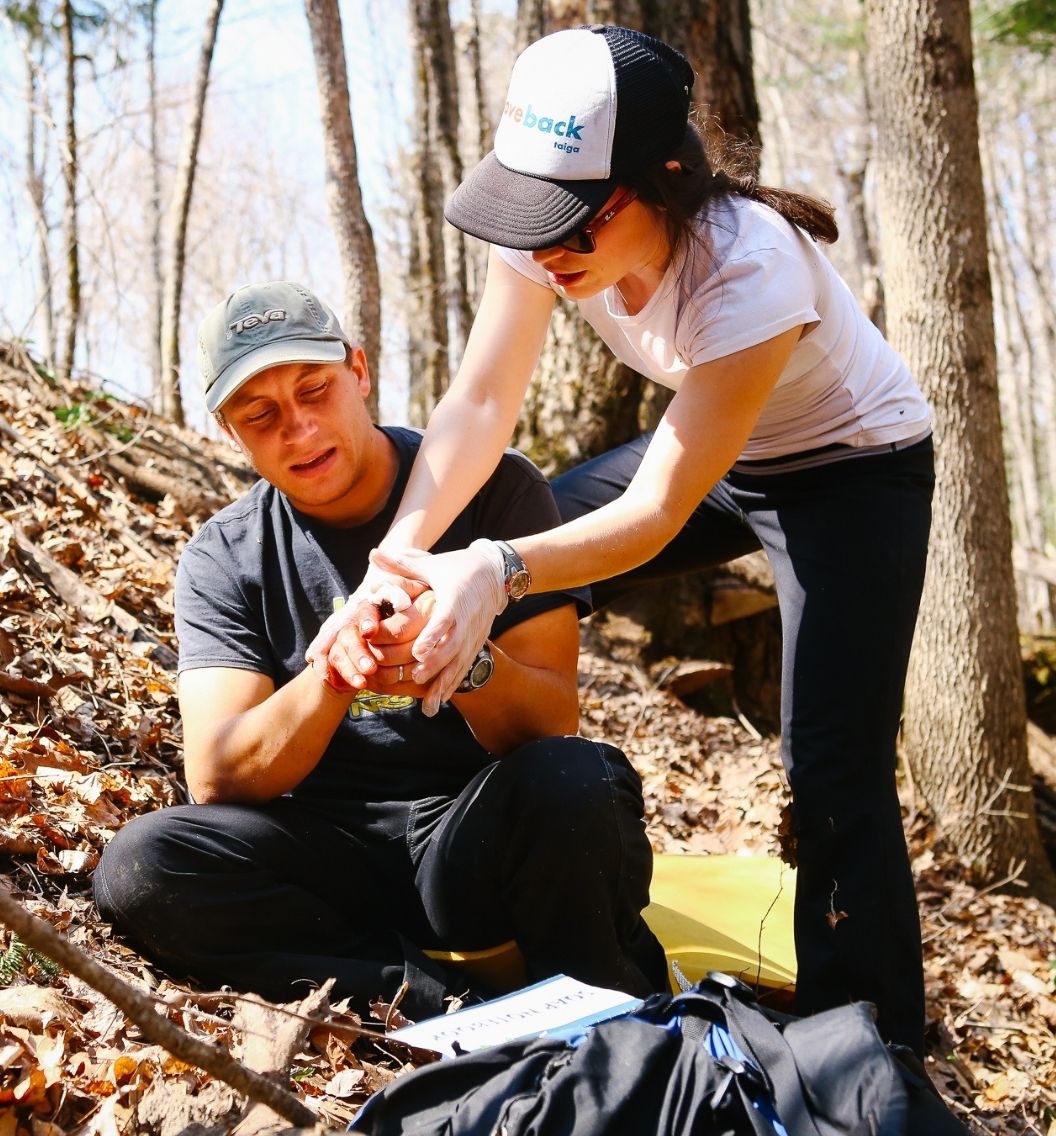
- Une progression d'apprentissage délibérée fait passer les étudiants du travail préparatoire en ligne et de la discussion en classe à des exercices pratiques et à des scénarios réalistes, sous stress — avec mise en scène, maquillage et débriefings.
Des lieux fantastiques : Nos cours sont enseignés partout au Canada, de la Colombie-Britannique au Nunavut en passant par Terre-Neuve, et dans certaines destinations internationales. Nous choisissons des lieux qui vous plongent dans la nature dès le premier jour, soutenant notre approche pratique et basée sur des scénarios pour la formation en médecine en milieu sauvage.
Les étudiants nous adorent ! Nous avons plus de 250 avis 5 étoiles.
Où suivre votre cours WFR
Boreal River Rescue propose des cours de secourisme en milieu sauvage (WFR), de recertification WFR, de passerelle WFR et de premiers soins en milieu sauvage (WFA) dans des destinations incroyables d'un océan à l'autre.
Nos cours publics sont offerts dans une sélection croissante d'endroits, notamment :
- Cantley, QC — notre centre de retraite et de formation juste à l'extérieur d'Ottawa-Gatineau
- Mansfield, ON — à environ 1 heure au nord de Toronto
- Antigonish, NS — à environ 2 heures au nord-est d'Halifax
- Squamish, BC
- Thunder Bay, ON
- Winnipeg, MB
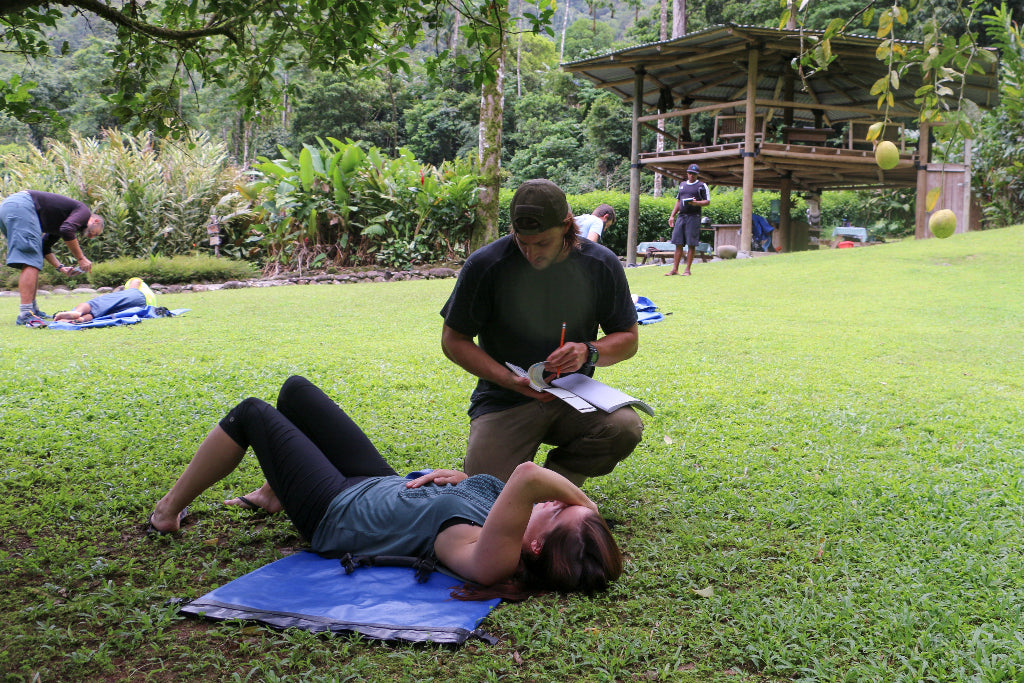
- Rivière Pacuare, Costa Rica — une expérience de certification WFR internationale dans un environnement de jungle éloigné
Nous ajoutons toujours de nouveaux emplacements ! Consultez les pages de cours individuelles pour une liste à jour des prochains cours WFR près de chez vous.
Foire aux questions sur les secouristes en milieu sauvage
Qu'est-ce qu'un secouriste en milieu sauvage (Wilderness First Responder) ?
Un secouriste en régions isolées (Wilderness First Responder, WFR) est une personne formée pour gérer les urgences médicales dans des endroits reculés où l'aide peut arriver des heures, voire des jours plus tard. Cette formation est souvent suivie par des guides professionnels, des éducateurs de plein air, des équipes de recherche et de sauvetage, ainsi que des personnes qui travaillent et voyagent dans des zones éloignées.
Un WFR sait comment évaluer les blessures et traiter les affections courantes telles que les plaies et les blessures musculo-squelettiques, et gérer les problèmes environnementaux tels que l'hypothermie, les coups de chaleur et la foudre. Il est également formé à la prise de décision critique, au leadership et aux évacuations.
Un secouriste en régions isolées peut effectuer des traitements avancés et administrer des médicaments qui ne sont pas standard pour les premiers intervenants urbains et les techniciens médicaux d'urgence (EMT).
Dois-je suivre un cours de PFA ou de RCR?
Que vous suiviez une formation de secourisme en milieu sauvage (Wilderness First Aid) ou de secouriste professionnel en milieu sauvage (Wilderness First Responder) dépend de votre situation et des résultats souhaités. La formation Wilderness First Responder est une formation de niveau professionnel souvent requise par les personnes qui travaillent dans des environnements isolés, comme les guides, les instructeurs et les équipes de recherche et de sauvetage. La formation WFR comprend :
- 80 heures de cours, contre 20 pour le Wilderness First Aid
- Une évaluation médicale plus approfondie et un plus large éventail de techniques que vous serez certifié à effectuer
- Plus de pratique avec toutes les compétences, y compris des scénarios réalistes qui développent votre capacité à performer sous pression
- Des sujets tels que les compétences en leadership, la prise de décision et la planification d'évacuation
Le WFA est destiné aux voyageurs en milieu périurbain ou aux chefs d'équipe adjoints. Il n'est pas destiné aux personnes qui dirigent des groupes ou qui voyagent dans des zones éloignées.
Le WFR est-il la même chose que l'EMT ?
Non, un secouriste en milieu sauvage (WFR) et un technicien médical d'urgence (EMT) ne sont pas la même chose. Un WFR est formé pour les urgences dans les régions éloignées avec un équipement limité, lorsque l'aide est à des heures ou des jours. Un EMT travaille dans des régions avec des ambulances, plus d'équipement et un accès rapide aux hôpitaux.
Les deux rôles gèrent les urgences médicales, mais les WFR se concentrent sur les soins à long terme dans des environnements éloignés.
Que puis-je faire avec une certification WFR ?
Un certificat de secouriste en milieu sauvage (WFR) vous préparera à évaluer et à gérer les problèmes médicaux dans des environnements isolés et éloignés. Vous pouvez diriger ou assister des excursions en plein air, travailler comme guide professionnel ou personnel de camp, ou effectuer des recherches et des sauvetages. Il est souvent requis pour ce type d'emplois. Le WFR est souvent un tremplin vers une formation médicale ou de sauvetage plus avancée.
Quelle est la durée d'un cours WFR ?
Avec Boreal River Rescue, le cours WFR est de 80 heures. Vous avez le choix de suivre le cours en 5 ou 8 jours.
- 8 jours : cours standard en personne, combinant formation pratique en extérieur et enseignement en classe.
- 5 jours : Complétez plus de 30 heures d'enseignement en ligne avant 5 jours de formation en personne.
Ai-je besoin de prérequis pour la formation WFR ?
La seule condition préalable à la formation de secouriste en milieu sauvage est d'être âgé de 16 ans ou plus. Aucune autre expérience n'est nécessaire.