


Wilderness First Aid & Medicine Courses
Choose one of these courses for the best medical training for anyone working or playing in remote or extreme environments.
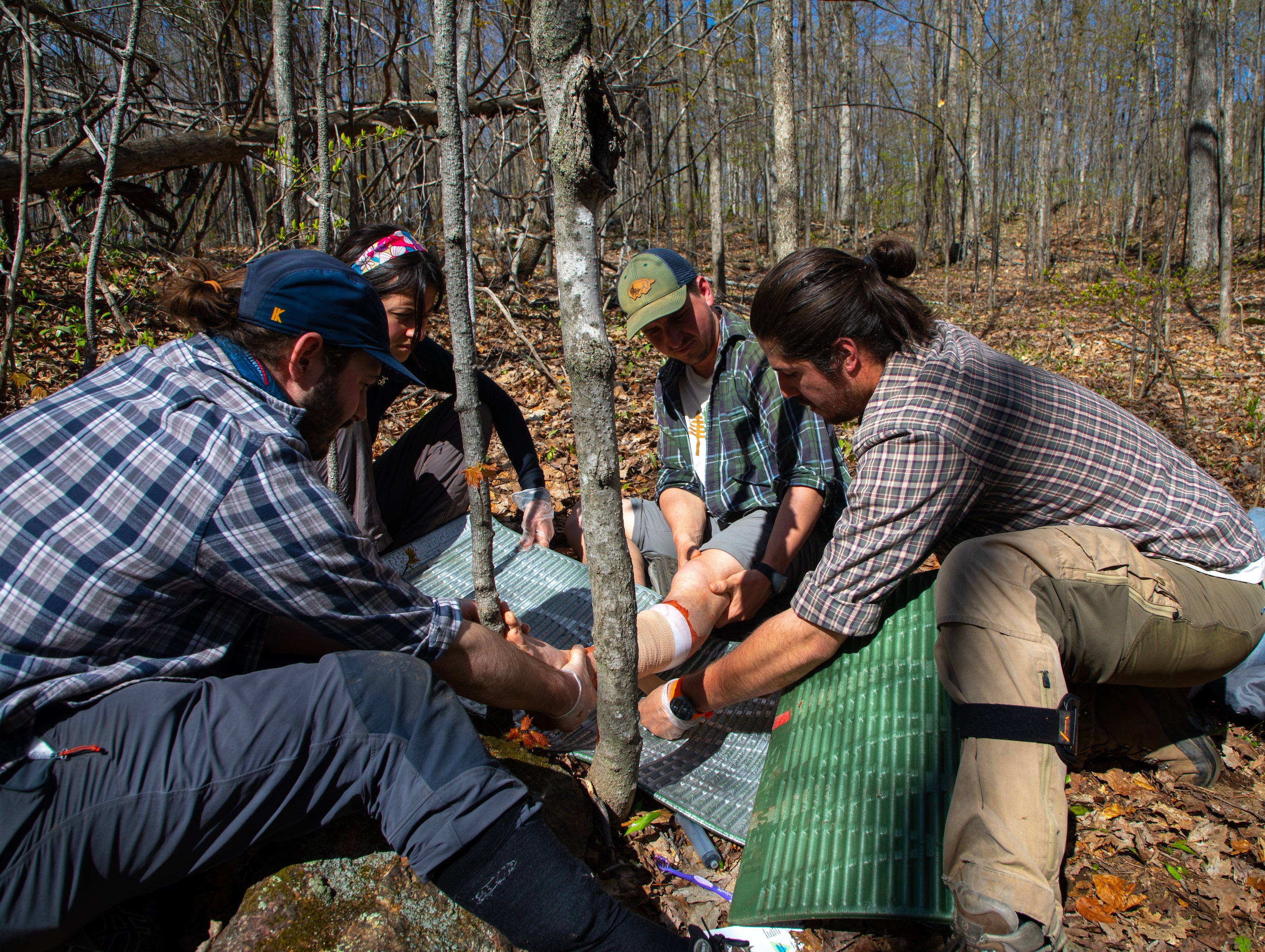
From introductory Wilderness First Aid classes to the 80-hour Wilderness First Responder program, our medical courses are intensive, hands-on, and engaging.

Partnered with Wilderness Medical Associates
Wilderness Medical Associates has set the standard in wilderness medicine and rescue training for over 30 years. The cutting-edge curriculum is constantly updated by a group of healthcare professionals, has been taught on all 7 continents, and is recognized around the world.
Available Courses
2-3 day course for front-country travellers or assistant backcountry leaders; beginner.
Wilderness Advanced First Aid (WAFA)
40 hours over 4-5 days course for backcountry travellers, researchers and field personnel, assistant leaders; beginner to intermediate.
Wilderness First Responder (WFR)
5 or 8 day course for professional guides, outdoor educators, search and rescue, anybody travelling in remote areas; beginner to advanced.
Costa Rica Wilderness First Responder
7 day all-inclusive course for anyone physically active who travels to remote places, guides, outdoor educators, search and rescue; beginner to advanced.
Wilderness First Responder – Bridge (WFR-Bridge)
40 hours over 4-5 days course for WAFA graduates; intermediate to advanced.
Wilderness First Responder – Recertification (WFR-Recert)
3 or 4 day course for certified Wilderness First Responders; intermediate to advanced.
Wilderness Advanced Life Support (WALS)
5 day course for medical practitioners that provide care for expeditions, rescue operations, mass casualty incidents, crisis-stricken areas, and remote settings; intermediate to advanced.
Compare Our Wilderness Medicine Courses
| Course | WALS (5 day) | WFR-Bridge (40hr) | WFR (80hr) | WAFA (40hr) | WFA (20hr) |
|---|---|---|---|---|---|
| Duration | 5 days | 4-5 days | 5 or 8 days | 4-5 days | 2-3 days |
| Best for | Medical practitioners | WAFA grads upgrading | Pro guides, outdoor educators, SAR | Backcountry travellers, field personnel | Frontcountry, assistant leaders |
| Level | Advanced | Intermediate-Advanced | Beginner-Advanced | Beginner-Intermediate | Beginner |
| Prerequisite | Medical licence with advanced cardiac life support | WAFA certification | None | None | None |
| CPR | n/a | CPR-BLS (Basic Life Support) used to be CPR Healthcare Provider | CPR-BLS (Basic Life Support) used to be CPR Healthcare Provider | CPR C (adult, child, infant) | CPR A (adult) CPR C (adult, child, infant) can be added for free for any student by request |
| Certification | WMA WALS | WMA WFR | WMA WFR | WMA WAFA | WMA WFA |
WALS (5 day)
WFR-Bridge (40hr)
WFR (80hr)
WAFA (40hr)
WFA (20hr)
Frequently Asked Questions About Wilderness First Aid
What is the difference between wilderness first aid and standard first aid?
The big difference between wilderness first aid (WFA) and standard first aid is that in the wilderness, you have limited resources and people, and help may be hours or even days away. WFA gives you a higher level of competence. It prepares you to take care of injuries longer term, improvise with the gear and supplies you have, and deal with different environmental and weather issues.
The goal of standard first aid is to stabilize someone for a short period, until emergency services arrive. WFA covers you when you can’t call 911.
What is the difference between remote first aid and wilderness first aid?
There isn't really a difference between remote first aid and wilderness first aid. Often these 2 terms are used interchangeably. Remote first aid is the term used by Red Cross courses. Because course providers use different names, and not all course are the same, there may be minor differences in the curriculum covered.
Is wilderness first aid worth it?
Yes, if you spend time in the backcountry, wilderness first aid training is absolutely worth it.
- The training is hands-on and in realistic outdoor environments. You’ll gain practical knowledge, experience, and confidence.
- Standard first aid training isn’t enough if you’re in the wilderness. If help is hours away (sometimes days) and you have limited resources, the medical care is very different from simply stabilizing someone until emergency medical services arrive.
What is the difference between Wilderness First Responder (WFR) and WFA?
Wilderness First Responder is professional-level training that’s often a requirement for those who work in remote environments––people like outdoor educators, guides, advanced recreationalist, instructors, and search and rescue. The WFR training is:
- 80 hours compared to 20 for Wilderness First Aid
- More in-depth medical assessment and a broader range of techniques you'll be certified to perform
- More practice with all the skills, including realistic scenarios which develop your ability to perform under pressure
- Covers things like leadership skills, decision-making, and evacuation planning
How long does wilderness first aid certification last?
The wilderness first aid certification is valid for 3 years from the date it’s issued. Before your certification has expired, take a WFR Recertification course.
What can I do with a wilderness first aid certification?
WFA certification gives you the skills and confidence to handle medical situations when you’re far from immediate help. It helps you:
- manage injuries
- improvise care
- make informed evacuation decisions
Your outdoor trips will be safer and more self-reliant. This training can help you gain work as an outdoor professional, camp leader, or guide.
How hard is a wilderness first responder course?
The wilderness first responder course is challenging, for a number of reasons.
- It’s 80 hours spread over 8 days. Those are long days filled with both mental and physical challenges.
- You’re learning a lot, it’s hands-on, and little time to process. Folks say one of the biggest challenges is the decision making in a time of crisis.
- Your skills and knowledge will be tested. There is a written test at the end and practical assessments throughout the training.
Do I need any prerequisites for a wilderness first aid course?
There is required pre-course work for Wilderness First Aid (WFA).
Once you register, you’ll be sent a link to our online learning platform. Budget 12+ hours to read the course material and answer questions in an online Study Guide. The course uses Wilderness and Rescue Medicine 8th Edition, by Jeff Isaac.
What should I bring to a wilderness first aid course?
There are specific checklists for each of the wilderness medicine courses we offer. The necessities fall into a few categories:
- Equipment and supplies, e.g. eye protection, notebooks, waterproof packs, headlamp, bug repellent
- Clothing appropriate for the season and the terrain. You’ll be outdoors for the whole day. And you’ll need extra toques, mitts, socks, and footwear.
- Lots of snacks! Always lots of snacks.
Each course is slightly different, so be sure to follow the checklist you’re provided.
Are Boreal River's wilderness medicine certifications recognized internationally?
Yes, all of Boreal River Rescue's wilderness first aid and medicine courses are certified by Wilderness Medical Associated International. WMA has set the international standard since 1982.
Looking for Group Training?
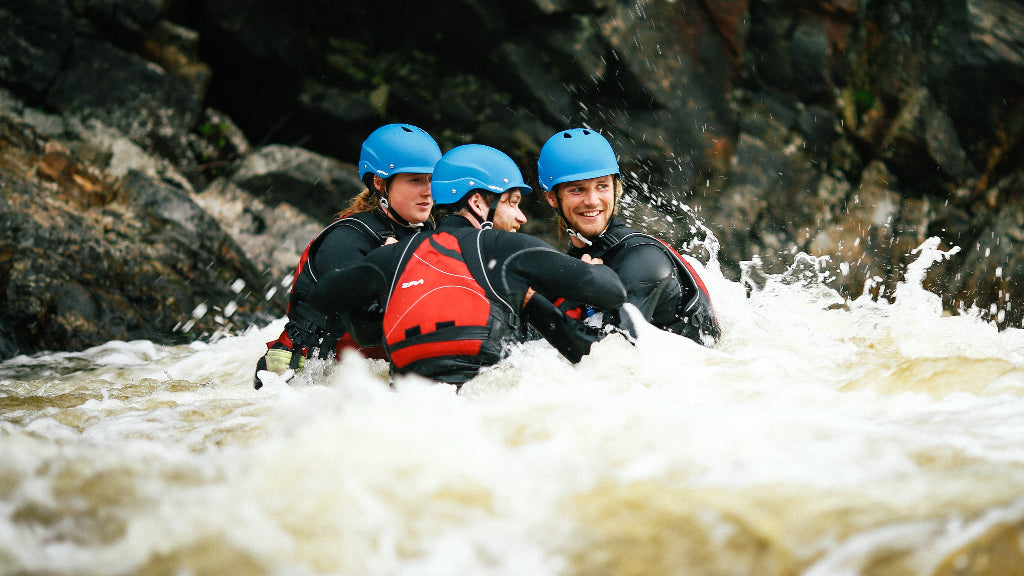
Set up a private course for your group — your location or ours.