



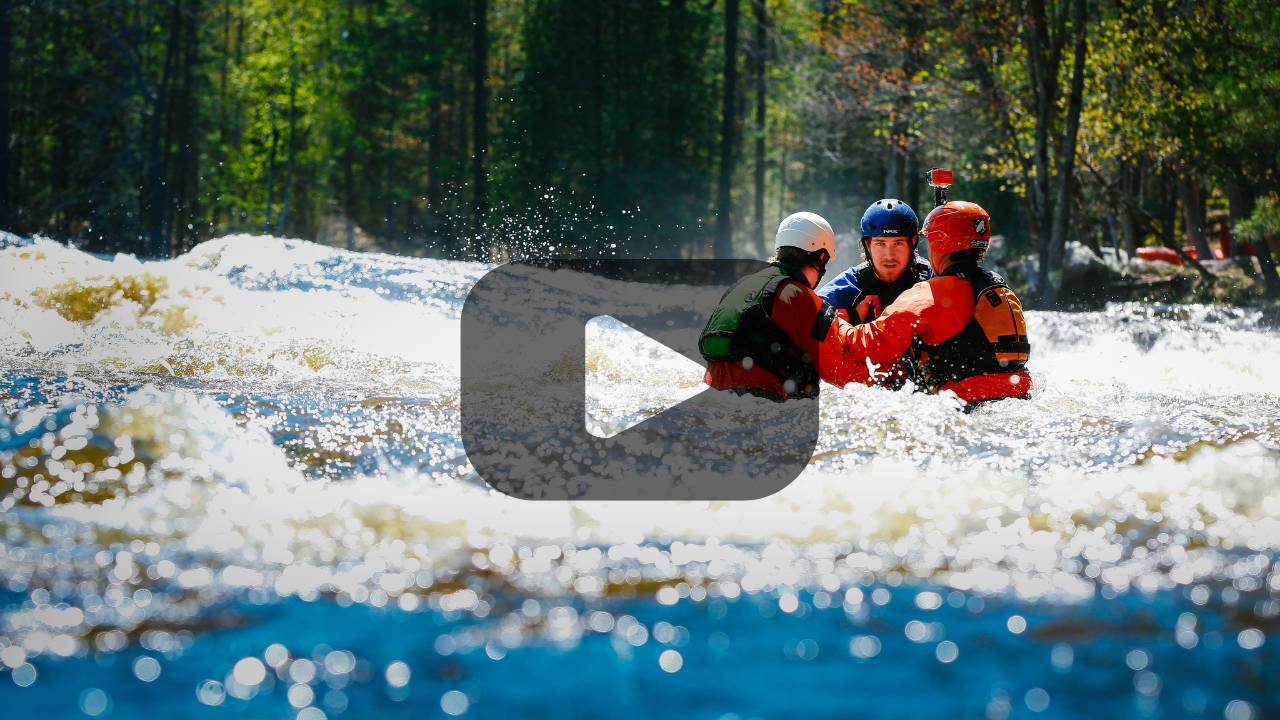
Cours de sauvetage en eau vive et en eaux vives
Inscrivez-vous à un cours de sauvetage en eau vive et en eaux vives pour :
- Développez vos compétences, vos connaissances et votre confiance grâce à la pratique
- Entraînez-vous à effectuer des sauvetages efficaces avec un minimum de ressources
- Obtenez une certification internationale valable 3 ans
Bénéficiez de 10 à 15 % de réduction grâce aux offres spéciales multi-étudiants et aux offres pro
Cours disponibles
Sauvetage en eau vive (WWR) I et II
Cours de 2 jours pour pagayeurs débutants à intermédiaires, chefs de rivière (guidage / instruction sur l'initiation à l'eau vive).
Technicien de sauvetage en eau vive (WRT) I, II et III
Cours de 5 jours pour guides de rivière professionnels, instructeurs, coureurs de rivière débutants à avancés.
Technicien en sauvetage en eau vive – Pont III
Cours de 3 jours pour guides de rivière professionnels, instructeurs, coureurs de rivière intermédiaires et avancés.
Recertification III de technicien en sauvetage en eau vive (WRT)
Cours de 3 jours pour les personnes possédant une certification WRT / SRT en cours de validité : guides fluviaux professionnels, instructeurs, coureurs fluviaux intermédiaires et avancés.
Technicien en sauvetage en eau vive (SRT)
Cours de 4 à 5 jours pour les pompiers, les équipes de recherche et de sauvetage, la police et les équipes d'intervention d'urgence. Satisfait et dépasse les normes NFPA 2500 et 1006.
Sécurité et sauvetage en eau vive pour le travail sur le terrain
Cours de 1 à 3 jours pour les groupes qui travaillent autour des rivières (ressources naturelles, chercheurs, etc.) ; débutant à expérimenté.
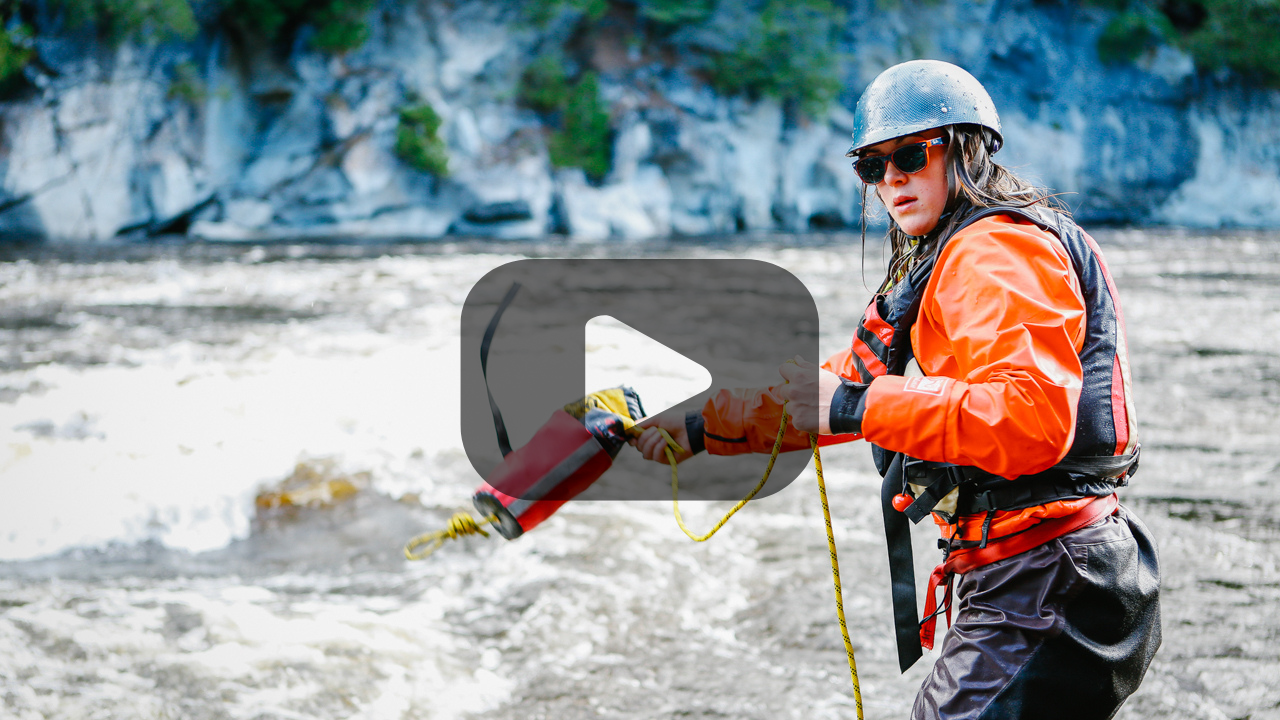
The difference between swiftwater & whitewater
The terms swiftwater rescue and whitewater rescue are often used the same way.
For us, they mean courses for different groups:
Whitewater Rescue (WWR) Levels I&II
Whitewater Rescue Technician (WRT) Level III
Those on rivers with limited resources
- River guides, instructors, paddlers & river runners
- Educators & water guardians
- Hunters, anglers
- Special forces / elite rescue teams
Swiftwater Safety and Rescue (SWR)
Teams doing field work on and around rivers
- Natural resources, parks, fisheries, industry
- Research, environmental assessment
Swiftwater Rescue Technician (SRT)
Swiftwater Rescue Advanced Technician (SRAT)
Call-in rescue | meet & exceed NFPA standards
- Firefighters, law enforcement, SAR
- Rangers & conservation officers
Why choose Boreal River Rescue?
Improve your confidence with fantastic instructors
Boreal River Rescue rescue instructors are hand-picked.
They're all knowledgeable professionals who’ve spent hundreds of days guiding on whitewater rivers.
They love rivers and are passionate about sharing their knowledge. They're all skilled river runners and experts in multiple watercraft.
A huge difference maker with our courses is our instructor training and development model:
1 - To start the process, instructors need years of experience and advanced river skills.
2 - But in addition to and beyond their technical skills, they're also chosen for their interpersonal skills, group management, and the ability to create a positive, inclusive, and fun learning environment
3 - They complete extensive training through an apprenticeship model: even the most skilled and experienced must spend multiple courses as assistant instructors learning how to run these courses
4 - We regularly gather for mandatory, multi-day in-person professional development sessions to keep our skills sharp and knowledge current
These instructor recertifications and development sessions give us the opportunity to share ideas, give each other feedback, try out new techniques, and keep making our courses better and better. All of this leads to incredible courses that give students competence and confidence.
Learn techniques that are applicable to you
We constantly update our curriculum to ensure you learn the most current techniques.
We also adapt each course to meet the needs of your group:
- If you're a kayaker, you shouldn't be training with a 300' rope you'd never carry
- If you're a firefighter, you should be preparing for call-in rescues using commercial rescue gear — including floods and low-visibility rescues
- If you're a field worker, your training shouldn't be more dangerous than your actual work
This starts with you being on the appropriate course (see 'whitewater' vs. 'swiftwater' above) — but is amplified by our ability, commitment, and preparation to deliver the most appropriate lessons to the right people at the right times.
While there are core learning objectives with each certification, Boreal River instructors have the flexibility and experience to adapt each course to every student.
Get the most hands-on practice, each and every time
We're obsessed with how much practice you get.
Our instructors plan diligently and carefully scout training sites for every course.
We put a ton of care and focus on details — from how we split up groups to how we set up drills to run efficiently — so you get maximum hands-on repetition with skills.
You'll have the right level of challenge in scenarios so you can problem-solve, apply your knowledge, and put the techniques into action.
This way, in the months and years following your course, you'll have:
- A realistic understanding of your limits and abilities
- The experience and judgment to make good decisions on the river
- The 'muscle memory' to perform when you need to
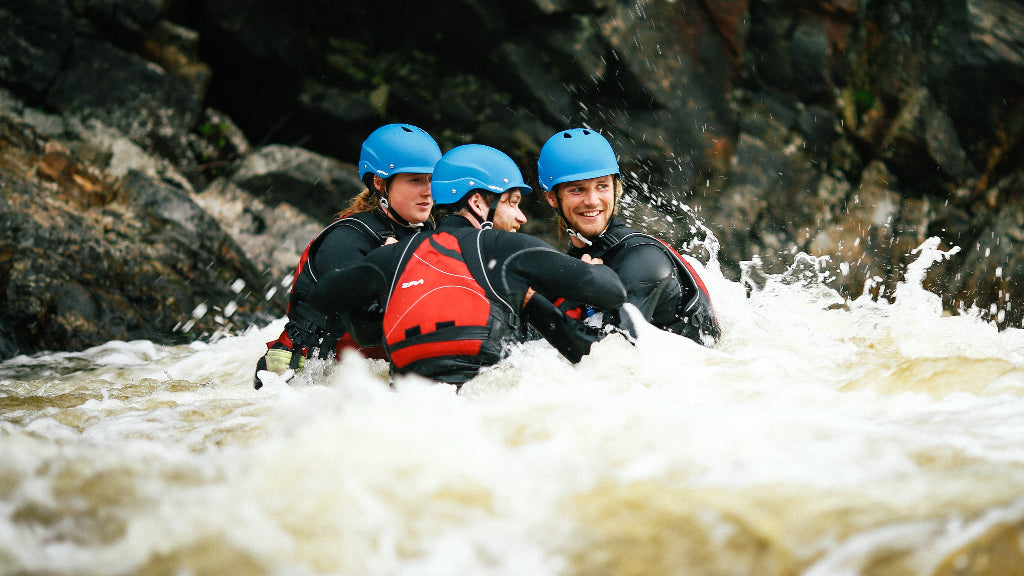
Vous recherchez une formation de groupe ?
Organisez un cours privé pour votre groupe — chez vous ou chez nous.